A power window rarely dies all at once. Around Forest City, the usual story is slower: the driver's window gets lazy in cold weather, then needs help from a hand on the glass, then one day it slides down into the door and declines to come back up, ideally during a summer thunderstorm. Power locks tell a similar story, one door at a time. Three families of parts share the blame, switches, motors, and regulators, plus the wiring between them, and each fails with its own signature. Sorting the signature first keeps a door from being opened three times for three guesses.
This troubleshooting walk runs from symptom to likely cause to the point where driveway testing ends and door-panel work begins.
The parts and their jobs
The switch is the command. The motor is the muscle. The regulator is the mechanism, the scissor linkage or cable drum that actually lifts the glass. On locks, the actuator is a small motor or solenoid unit that throws the latch linkage. All of them live inside the door, in a wet environment by automotive standards, since doors are designed to let water pass through and drain. That environment explains the failure order: electrical contacts and connectors corrode, cables fray, plastic regulator parts age and crack, and motors wear their brushes down just like their bigger cousins in starters.
One structural fact drives most diagnosis: the driver's master switch panel commands every window, so a fault there can impersonate faults in several doors at once, while a fault in one door's own parts affects only that door.
Work the symptom
- One window dead, others fine, no sound at all. Listen at the door while working the switch. Silence points to power not arriving or a motor fully failed: check that window's operation from both the master switch and the door's own switch, since agreement between them clears the switches.
- One window dead, with a click or a hum from the door. Power is arriving and the motor is trying. The failure is mechanical: a regulator cable snapped or jumped its drum, or the glass has left its channel. Stop cycling the switch, since a running motor can tangle a failed cable further.
- Window slow, weak, or needs a helping hand. This is the wear warning stage. Causes stack up here: a tiring motor, a dry or binding regulator, glass channels tight with age and grime. It rarely improves on its own, and the end of this stage is a window stuck wherever it stops.
- Window works from one switch but not the other. The door's parts just proved themselves. The failing switch, usually the master panel, is the fault, and this is one of the cheaper outcomes on the list.
- All windows dead together. Think shared causes before individual doors: a fuse, a relay, the master switch's power feed, or the wiring where it flexes through the driver's door jamb, the most-flexed harness on the car.
- A lock that buzzes, shudders, or works only sometimes. The actuator is failing mechanically or the linkage is binding. One affected door means that door's actuator; all doors weak together points back to power supply or a control module.
- Everything works until it rains, or after. Water in the door is normal; water in connectors is the fault. Intermittent weather-related failures are corrosion announcing itself and will become permanent failures on their own schedule.
What a diagnosis looks like
The professional version of the steps above adds voltage. With the door panel off or access gained, a technician checks for power and ground at the motor while the switch is held. Power present and motor silent closes the case against the motor. Power absent sends the search back through switch and harness, including the jamb boot where wires break inside their insulation from years of door swings, invisible from outside and findable by testing. Regulators are judged visually once exposed: frayed cable, cracked guides, and bent arms are all replace-rather-than-repair parts.
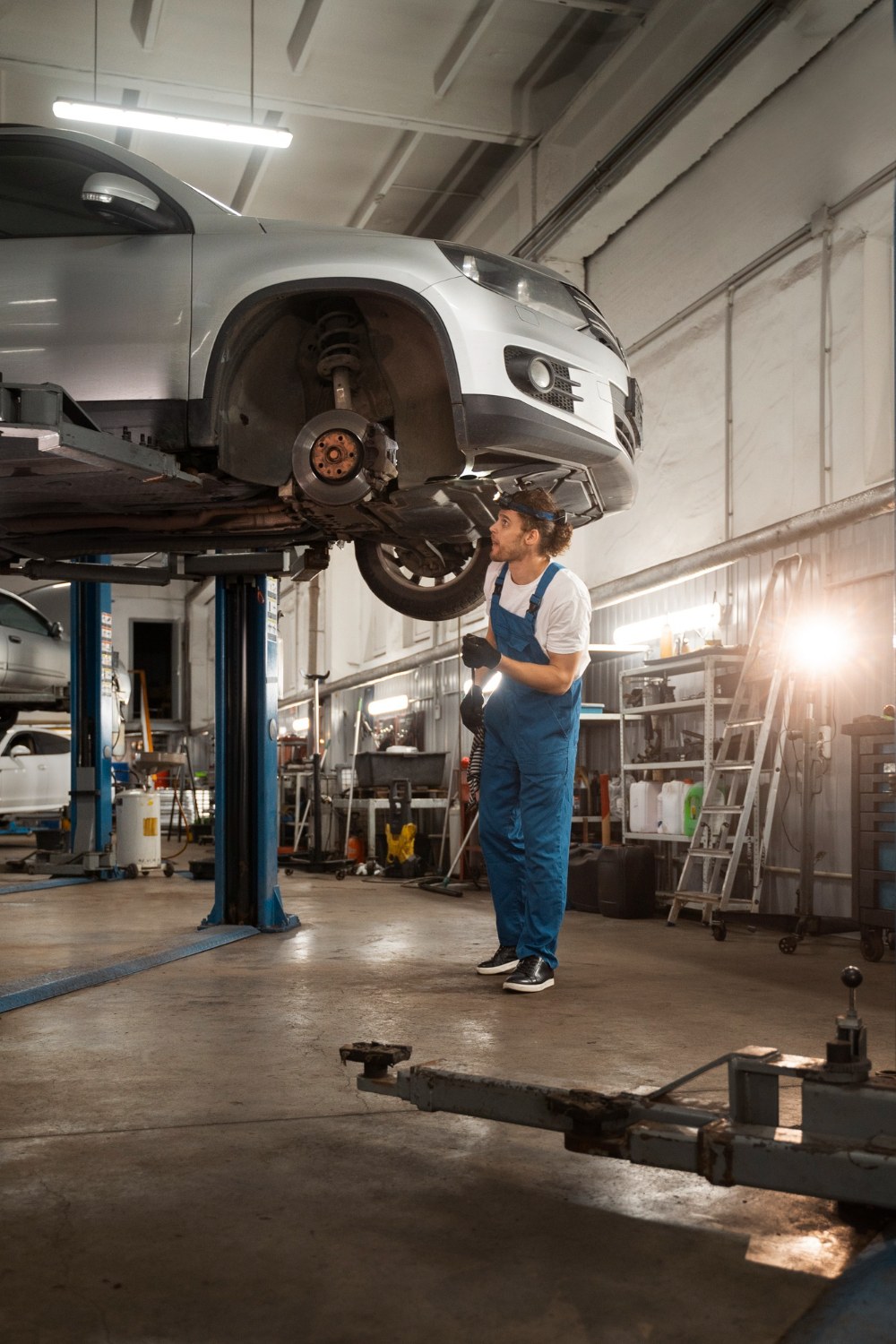
At a shop like Forest City Starter, the electrical-testing side of this work is the home turf, because window and lock diagnosis is circuit diagnosis wearing a door panel. The panel itself is the fussy part: clips break, vapor barriers tear, and patience during removal is what separates a clean job from a door that rattles afterward.

Living with a failing window until the appointment
If a window is stuck down, the priorities are weather and security, and a regulator failure should not be forced by pulling hard on the glass, which can shatter tempered glass or finish the mechanism. A shop can raise and secure the glass internally as an interim fix. If a window is slow but working, use it gently and avoid the auto-down feature's full travel slamming. And if a lock actuator is buzzing and failing, locking that door manually keeps the routine simple until the part is replaced, rather than fighting the fob every trip.
Common questions
Can I replace just the motor, or must the regulator go too?
On many models the motor and regulator are sold as an assembly, and on others they separate. Even when they separate, a high-mileage regulator with frayed cables is often replaced with the motor to avoid opening the door twice.
Why did my window fall down into the door overnight?
A regulator cable or its plastic guides finally let go under the glass's weight. The motor is usually innocent. The glass itself is often unharmed, held in the door by the mechanism's remains.
Is a slow window in winter a real warning or just cold?
Both can be true. Cold stiffens grease and channels, so a marginal system shows itself in winter first. A window that is noticeably slower than its neighbors, in any season, is a motor or regulator wearing out.
Photos in this guide are representative stock images.
← All guides from Forest City Starter← Back to Forest City Starter